

Work order management breaks down when dispatch, technicians, and back office teams work from disconnected tools. A modern field operations app connects those handoffs inside one workflow, giving teams greater visibility across active jobs. Your dispatchers, crews, and project managers work from the same live data instead of chasing status through calls.
Service organizations lose hours each week reconciling schedules, chasing paperwork, and clarifying job details after crews arrive onsite. According to SkyQuest’s field service management market analysis, firms using AI-driven field service solutions reported a 15% reduction in service delivery times during 2024.The guide below shows you how to fix the biggest breakdowns from dispatch through completion.
How Do You Streamline Work Order Management Using a Field Operations App?
You streamline work order management by connecting scheduling, mobile execution, and reporting inside one Field Operations App. Every handoff between dispatch, technicians, and finance runs through shared data rather than manual updates. Real-time visibility replaces the delays, errors, and rework that fragmented tools quietly create across service teams.
The Real Cost of Fragmented Work Order Workflows
Many service teams still coordinate at least part of their work order process through spreadsheets, email threads, whiteboards, or disconnected applications. Each handoff adds delay, and each disconnected tool creates another place where information can go missing. Your dispatchers lose time reconciling schedules while technicians wait on clarification from the office.
The financial impact runs deeper than most leaders realize when they audit their current work order process. Repeat visits, missed billing details, and manual rework can create substantial costs as work order volume grows. According to NetSuite research on field service dispatching, efficient dispatching reduces operational costs and improves customer satisfaction across service industries.
Fragmented workflows can make service performance harder to measure consistently and accurately. Managers rely on lagging reports that arrive days after issues actually appear in the field. In most cases, the customer impact has already happened before the numbers show up.
A connected Field Operations App surfaces those signals in real time and lets you intervene before a job derails. As a result, your finance team gains the clean data needed to close jobs and invoice on schedule.
How a Field Operations App Streamlines Dispatch
Dispatch is a critical stage in the work order process, and improving it can reduce downstream delays and coordination problems. A Field Operations App gives your dispatchers a live view of technicians, work orders, and job sites in one interface. Dispatchers can manage assignments, routing, and last-minute schedule changes more efficiently from a shared scheduling environment.
Modern dispatch tools support more informed assignments based on factors such as technician availability, location, job requirements, and operational priorities. In addition, drag-and-drop scheduling lets your team reassign jobs in seconds when priorities shift midway through the day.
The strongest results come from pairing automation with clear operating rules built into your dispatch process:
- Resource assignment that considers technician availability, location, job requirements, and operational priorities
- Route optimization that reduces travel time between sites and lowers fuel costs across the fleet each day
- Real-time schedule adjustments that reflect job status updates coming in from technicians in the field
- Automated notifications that alert technicians and customers whenever appointments shift or arrival windows change
- Centralized work order records that bring together job details, assignments, documents, photos, checklists, and activity history
Together, these capabilities keep dispatch responsive without adding administrative overhead across your team. In practice, a well-configured Field Operations App reduces the coordination burden that usually falls on senior dispatchers.
Your team gains capacity to handle more volume without hiring, and technicians spend more of the day on billable work. For a deeper look at these gains, review how Crossover Consultants elevated field operations with Field Ops Pro.
Closing the Loop With a Field Operations App
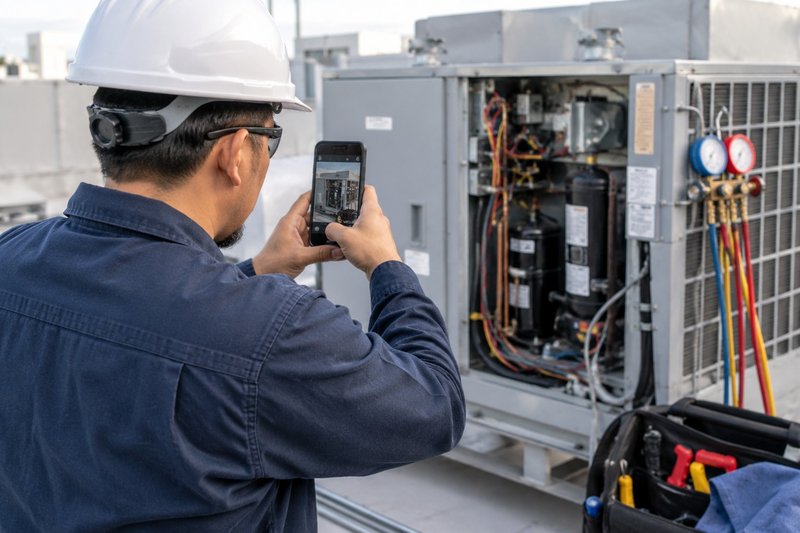
Work orders do not end when a technician finishes onsite, and the closing steps often cause the biggest breakdowns. Photos never get uploaded, signatures sit in a truck, and timesheets arrive days after the job is actually finished. Your back office then scrambles to close jobs, invoice customers, and reconcile inventory from incomplete records.
A Field Operations App connects the mobile experience directly to your business system on the back end. Technicians capture time, checklists, photos, signatures, and notes on their device, and each entry syncs back live.
Reliable closeout data also improves the metrics that matter most to leaders across your service organization:
- Standardize the completion checklist so every technician captures the same required fields on every job
- Require photo documentation for installations, damage reports, and site conditions before the crew leaves
- Capture customer signatures on the mobile device before the technician leaves the site for the day
- Log parts consumed and returned so your inventory records reflect what actually happened in the field
- Trigger invoicing workflows automatically once a job meets your defined closeout criteria inside the system
Working together, these practices help reduce the gap between field execution, work order closeout, and financial reporting. Meanwhile, the reporting visibility your back office gains supports faster invoicing and cleaner audits.
Your leadership team finally sees what is happening across every active job in real time. Service margins improve as invoicing accelerates and repeat visits drop across the operation. Field crews build more customer trust when their work gets billed accurately and on time.
Ready to Streamline Your Work Order Workflow?
Streamlining work order management is not about buying more tools, but about connecting the ones your team already uses. A Field Operations App connected to your ERP gives dispatch, technicians, and finance one shared workflow across every job. The outcome is faster service, cleaner data, and stronger margins across your service operation.
ERP Success Partners helps service organizations connect field execution with NetSuite through Field Operations Pro and related solutions. Our team helps you map your current process, identify coordination gaps, and design a workflow that fits your teams. To explore what a connected field workflow could look like for your business, reach out to our team today.