
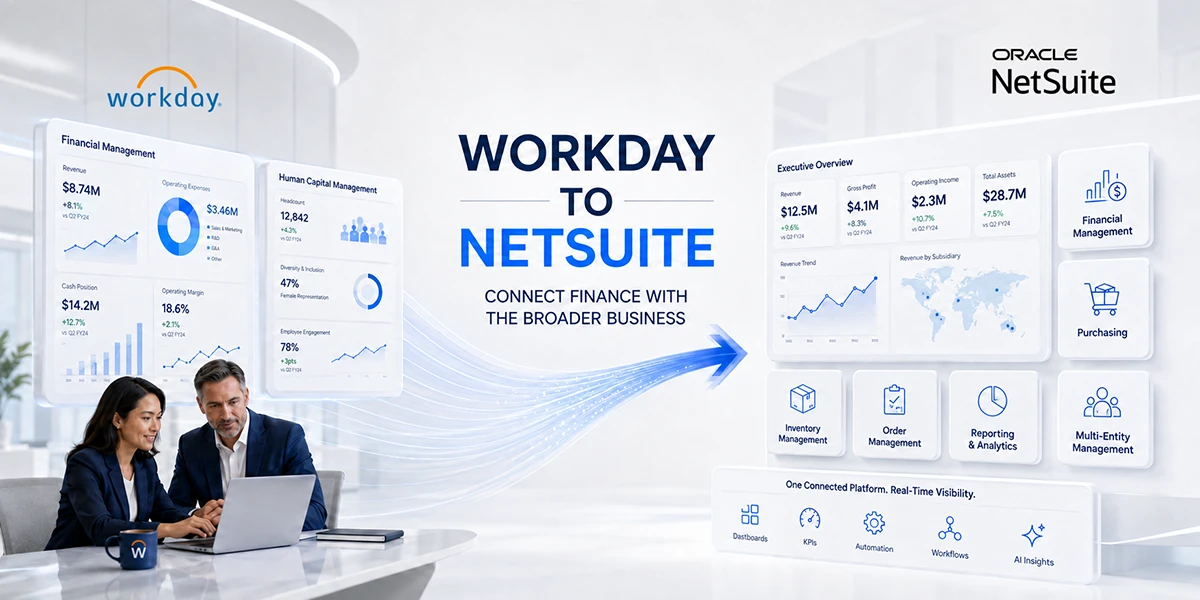
Workday to NetSuite
Match the ERP Platform to the Operating Business
Connect Finance and Operations
Support Subsidiary Requirements
Improve Operational Visibility
Define the Right System Architecture

“We’ve built the backbone… Now, we’re excited to build on this foundation and truly scale our operations with NetSuite”
Dan Hardy, Head of Operations Development, EIT Health (Co-funded by the European Union)
NetSuite is trusted by 44,000 Global Customers
A Broader ERP Platform for Operating Businesses
Connected Financial Management
Inventory and Order Visibility
Subsidiary and Entity Management
Support multi-entity operations, currencies, and consolidated visibility.
Integration and Coexistence
Connect NetSuite with other enterprise applications where the business model requires it.
Compare the ERP Model That Fits Your Business
Helping You With a Successful Transition Plan to NetSuite
Business Process Discovery
NetSuite Implementation
Data Migration and Integration
We prepare relevant information, validate results, and reconnect essential systems.
Training and Ongoing Support
We prepare users for go-live and continue optimizing NetSuite as requirements evolve.
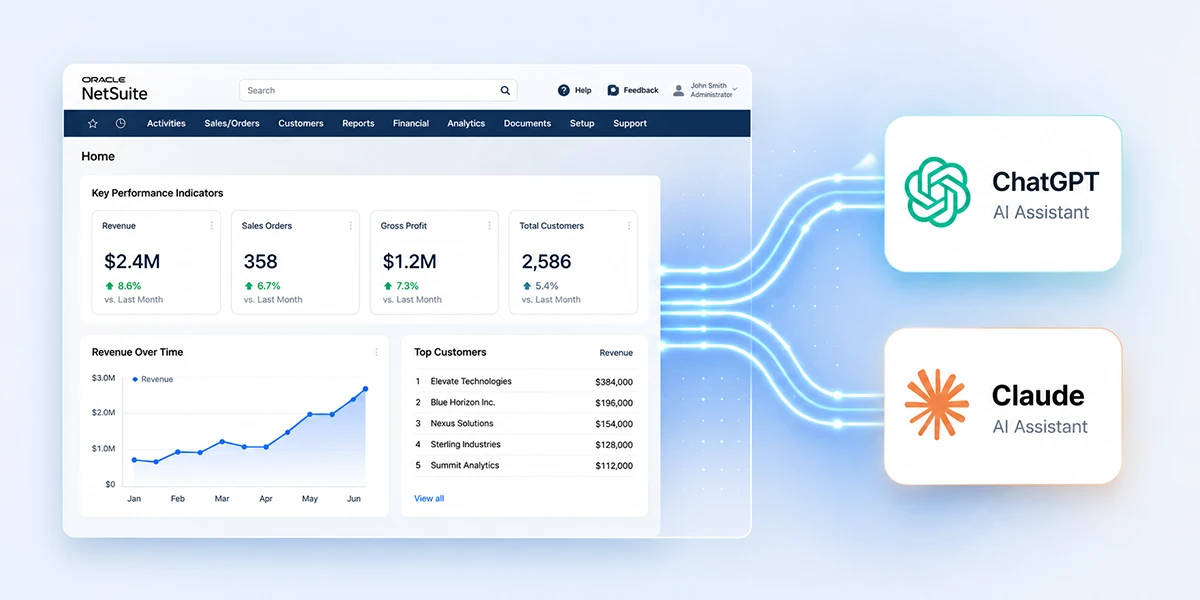
Connect Claude & ChatGPT to NetSuite
Don’t Just Change ERP. Prepare for What’s Next.
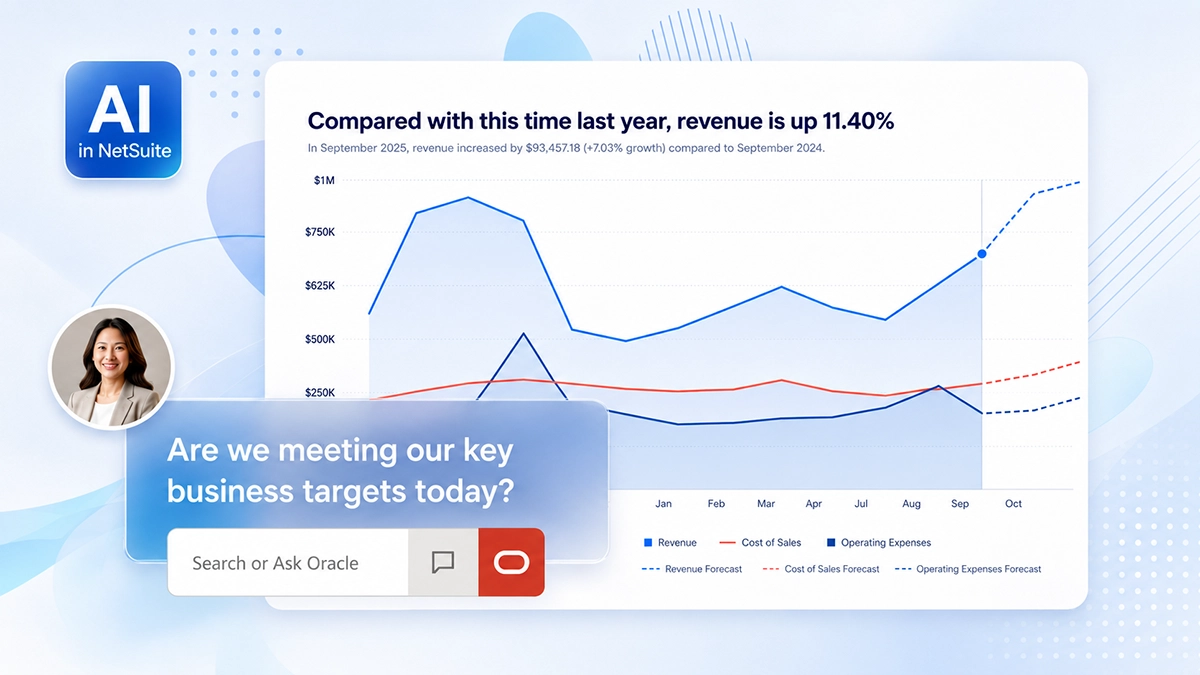
Work With True NetSuite Experts

FAQs
Is NetSuite a replacement for Workday?
NetSuite fits organizations or operating units that need financial management connected to inventory, purchasing, orders, and broader ERP processes – keeping everything unified.
Can NetSuite work alongside Workday?
Does NetSuite include operational ERP capabilities?
NetSuite supports relevant inventory, purchasing, order management, customer information, reporting, and financial processes.
What Workday data can be migrated?
The migration scope may include financial structures, supplier or customer information, balances, purchasing data, reporting requirements, and selected history.
How should Workday and NetSuite be compared?
Compare the actual operating unit, financial requirements, inventory or order needs, integration strategy, implementation scope, and long-term TCO.