An ERP dashboard helps bring project transparency into focus when information lives in too many places. One team may rely on spreadsheets. Another may use email updates. Finance may work from one report while operations looks at another. Before long, leaders are spending more time chasing answers than making decisions.
That is where a real-time ERP dashboard can help.
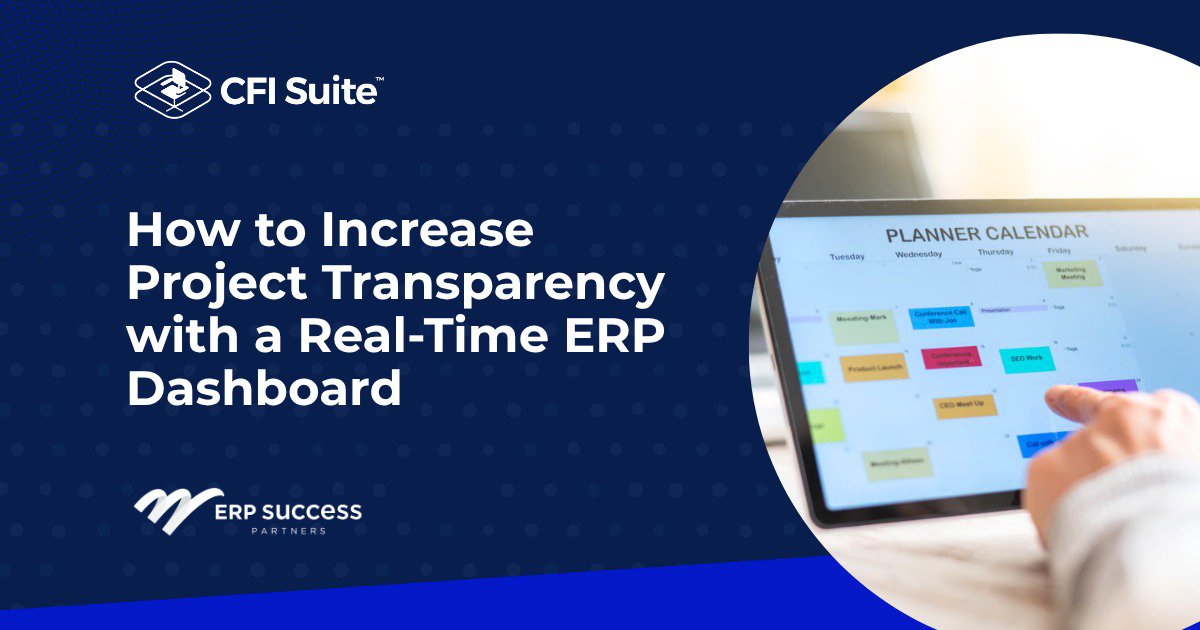
A real-time ERP dashboard gives leaders and teams one place to view project status, costs, timelines and risks. Instead of waiting for updates or comparing reports, they can see what is happening as work moves forward. This helps businesses respond faster, stay aligned and reduce surprises.
Why Project Transparency Matters
When project visibility is limited, even small issues can grow quickly. A missed update can delay purchasing. A change order can affect costs. A field issue can disrupt the schedule. If those details are not visible early, teams often find out too late.
Project transparency helps prevent that. When leaders and teams can see the same information at the same time, it becomes easier to keep work on track and address problems before they get bigger.
What an ERP Dashboard Does
Un ERP dashboard brings key project and business information into one view. That can include project status, budgets, actual costs, timelines, open issues and profitability.
The goal is not simply to show more data. The goal is to make the right information easier to understand and act on.
For example, a project manager may need to track milestones and open tasks. A CFO may want to review margin trends and cost changes. An operations leader may want a quick view of delays, inventory issues or team capacity. A real-time dashboard helps each person see what matters most without waiting for manual reports.

Common Signs You Need Better Project Visibility
Many growing businesses do not realize how much visibility they are missing until delays and reporting issues become routine. Common signs include:
- Teams ask for project updates too often
- Reports take too long to build
- Project data is spread across multiple tools
- Leaders hear about problems after the fact
- Costs and delays are hard to spot early
- Teams spend too much time reconciling numbers
When these issues become part of daily work, it is often a sign that project transparency needs to improve.
What to Include in an ERP Dashboard
The right ERP dashboard depends on the business and the projects being managed. Still, a few areas matter for most teams.
Project Status
Leaders should be able to see where each project stands, which milestones are complete and which ones need attention.
Budget and Cost Tracking
A useful dashboard should show budget performance, actual costs and any changes that could affect profitability.
Change Orders and Open Issues
Project changes and unresolved issues can affect timelines, costs and customer expectations. Keeping them visible helps teams respond sooner.
Resource and Labor Information
For project-based businesses, labor use and team availability can affect delivery and margins. A dashboard can help leaders see where resources are stretched.
Financial Performance
Project transparency also requires a financial view. Leaders need to see profitability, cost trends and risk areas while the project is still active.
How an ERP Dashboard Improves Decision-Making
Better visibility leads to better decisions. When leaders can see current project information in one place, they do not have to rely on delayed updates or separate reports.
This improves decision-making in a few ways.
First, teams can identify problems earlier. A budget overrun, delayed shipment or project change is easier to manage when it appears quickly.
Next, departments stay better aligned. Sales, operations, finance and project teams can work from the same information instead of comparing separate updates.
Just as important, leaders can spend less time gathering information and more time taking action.
Why a Connected Business System Matters
An ERP dashboard is only as useful as the data behind it. If project details still live in separate tools, the dashboard may still leave gaps.
That is why a connected business system matters. When project management, finance, purchasing, inventory and field activity work together in one system, the dashboard becomes more useful. It reflects what is happening across the business in real time.
For companies managing complex projects, this makes a major difference. Better data leads to better visibility. Better visibility leads to better control.
How ERP Success Partners Helps Businesses Improve Project Transparency
ERP Success Partners helps businesses improve visibility with connected solutions built on NetSuite. With the right business system and ERP dashboard, leaders can bring project, financial and operational information into one view.
For contract furniture dealers, CFI Suite helps connect the full project lifecycle, from sales and change orders to purchasing, warehouse activity and financial reporting. That gives leaders a clearer picture of project performance and helps teams stay aligned.
When project information is easier to see, it becomes easier to manage.
Talk to ERP Success Partners to learn how an ERP dashboard can help improve project transparency across your business.